
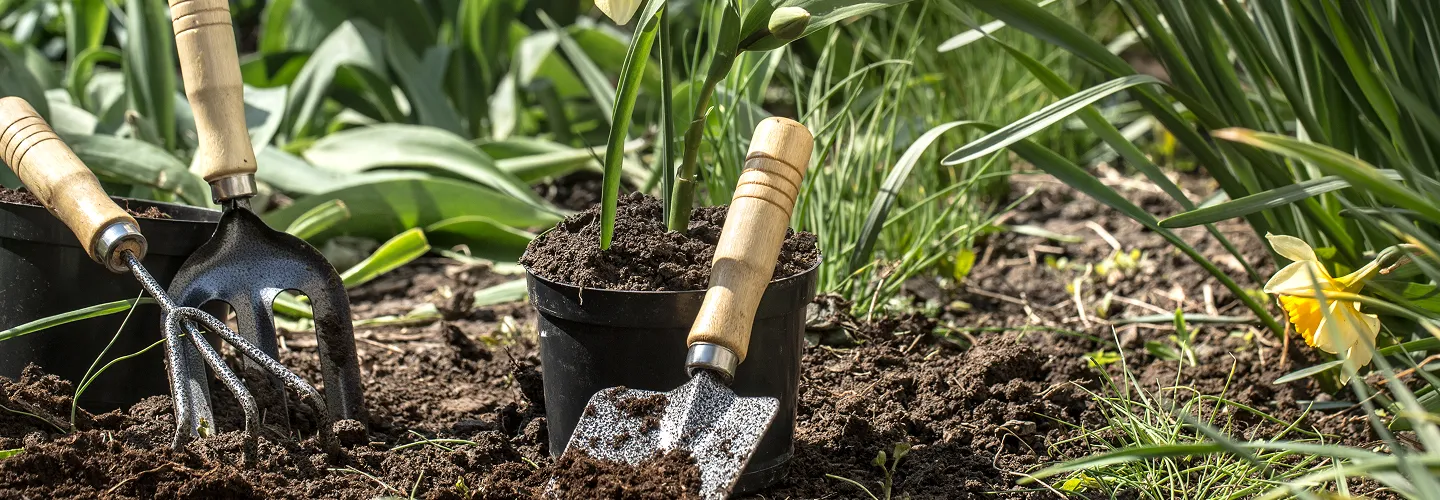
Paradise Valley Brush Removal Services
Choose our Brush Removal service for expert clearing that enhances safety, reduces fire risk, and restores the natural beauty of your property—handled efficiently by local professionals you can trust.
Get a Free QuoteOur Paradise Valley Landscaping & Yard Care Services
When to Schedule Brush Removal in Paradise Valley, Arizona – Seasonal Guide
In Paradise Valley, Arizona, timing your brush removal is crucial for maintaining both the beauty and safety of your property. The region’s unique Sonoran Desert climate—with its hot, dry summers and mild winters—means that the best periods for brush removal are typically late winter through early spring, and again in the early fall. These windows avoid the peak summer heat and allow for easier access to overgrown areas before monsoon rains or frost set in. Neighborhoods near Camelback Mountain and Mummy Mountain, for example, often experience rapid vegetation growth after winter rains, making early spring an ideal time for clearing.
Local environmental factors such as the risk of drought, variable humidity, and the presence of dense shade from mature palo verde or mesquite trees all play a role in determining the optimal schedule. Soil types in areas like Clearwater Hills or near the Paradise Valley Country Club can also affect how quickly brush accumulates and how easily it can be removed. For more information on local regulations and best practices, consult resources like the Town of Sudbury’s municipal guidelines, which offer helpful parallels for responsible land management.
Local Factors to Consider for Brush Removal in Paradise Valley
- Tree and shrub density, especially in foothill neighborhoods
- Terrain slope and accessibility (e.g., rocky outcrops near Tatum Boulevard)
- Seasonal precipitation patterns and monsoon timing
- Local frost dates and risk of late cold snaps
- Municipal restrictions on debris disposal and fire safety ordinances
- Soil type and drainage characteristics
- Shade coverage from mature landscaping
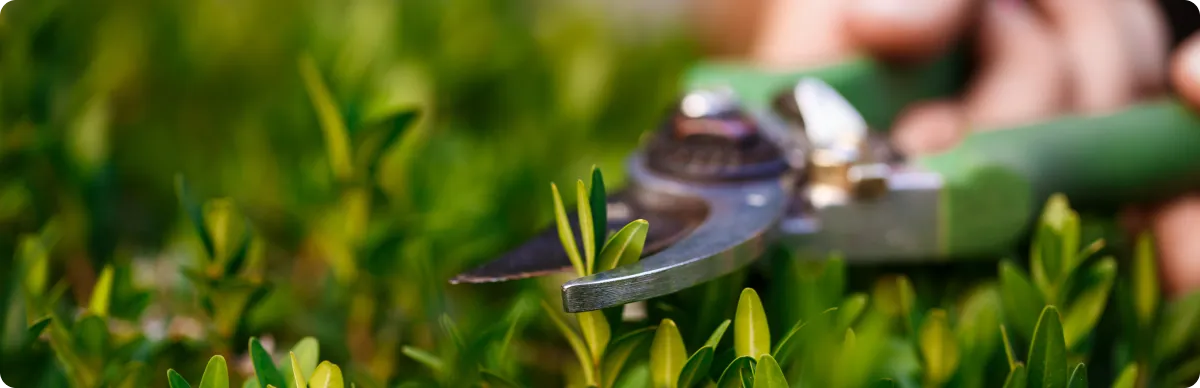
Benefits of Brush Removal in Paradise Valley
Enhanced Curb Appeal
Improved Fire Safety
Healthier Plant Growth
Pest Reduction
Increased Usable Space
Professional and Timely Service
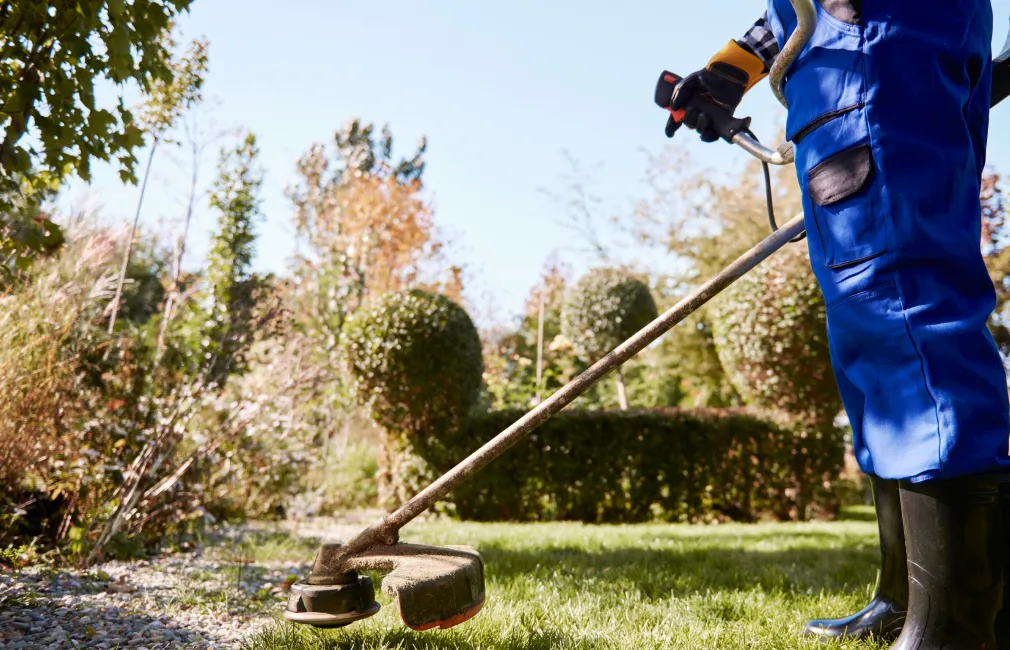
Paradise Valley Brush Removal Types

Manual Brush Clearing
-
Mechanical Brush Removal
-
Selective Brush Thinning
-
Chipping and Mulching
-
Controlled Burning
-
Herbicide Application
-
Stump Grinding
Our Brush Removal Process
Site Evaluation
Safety Preparation
Brush Clearing
Debris Removal
Final Inspection
Why Choose Paradise Valley Landscape Services
-
Paradise Valley Homeowners Trust Us
-
Expert Lawn Maintenance
-
Reliable Irrigation Solutions
-
Comprehensive Yard Cleanups
-
Competitive Pricing
-
Professional Team
-
Satisfaction Guarantee
Coordinating Brush Removal with Paradise Valley's Public Works and Engineering Departments
Paradise Valley operates as a small, residentially focused town within the Phoenix metropolitan area, and brush removal on private property requires awareness of municipal infrastructure and disposal protocols. The Town of Paradise Valley does not operate a large-scale municipal green waste collection program comparable to neighboring Phoenix or Scottsdale; property owners and managers should verify current bulk pickup availability and accepted materials directly with Public Works. Brush piles staged near streets, drainage inlets, or wash corridors must not obstruct public right-of-way or impede stormwater flow. When brush removal involves work adjacent to drainage channels or engineered wash crossings, coordination with the Engineering Department is advisable to avoid disturbing graded surfaces or erosion-control structures.
- Confirm current brush and green waste disposal procedures through the Town's Public Works division before staging material curbside
- Avoid placing cut brush within drainage easements, retention basins, or wash corridors
- Large-volume brush hauling from estate-sized lots may require private commercial disposal at a licensed transfer station
- Notify Engineering if removal work affects graded slopes or engineered drainage features
Town of Paradise Valley Public Works
6401 E Lincoln Dr, Paradise Valley, AZ 85253
Official Website: Public Works
Town of Paradise Valley Engineering
6401 E Lincoln Dr, Paradise Valley, AZ 85253
Official Website: Engineering
How Paradise Valley's Desert Heat and Monsoon Cycles Affect Brush Accumulation
Paradise Valley sits in USDA Hardiness Zone 10a, within the low Sonoran Desert, where summer temperatures routinely exceed 110°F and annual rainfall averages under eight inches—most of it arriving during the July-through-September monsoon season. These conditions directly shape brush removal needs. Brittlebush, triangle-leaf bursage, creosote, and various palo verde species shed branches and accumulate dead material rapidly during prolonged heat. Monsoon microbursts then scatter this dry brush across properties, washes, and roadways, creating both fire risk and drainage obstruction. Soils across Paradise Valley are predominantly alkaline sandy loams and decomposed granite, often underlain by caliche hardpan, which limits root anchoring and increases the likelihood of shallow-rooted shrubs toppling during wind events. The USDA Web Soil Survey provides parcel-level soil data for property owners assessing site conditions.
- Extreme heat desiccates native and ornamental vegetation, producing heavy dead-brush loads by late June
- Monsoon winds redistribute loose brush into washes, retention basins, and against perimeter walls
- Caliche layers prevent deep rooting, making desert shrubs vulnerable to uprooting during storms
- Reflected heat from block walls and hardscape accelerates dieback on south- and west-facing exposures
Navigating Paradise Valley's Stormwater and Fire Safety Rules for Brush Disposal
Brush removal in Paradise Valley intersects with both stormwater compliance and fire safety considerations. Under Arizona's Phase II MS4 stormwater program, municipalities in the Phoenix metro area must prevent pollutants—including organic debris—from entering storm drain systems. Cut brush, leaf litter, and woody material left near curb inlets or wash channels can obstruct flow paths and degrade downstream water quality, a concern reinforced by the federal Clean Water Act. Property owners should ensure that brush staging areas do not allow material to migrate into public drainage infrastructure during rain events. From a fire-safety perspective, accumulated dry brush near structures poses an ignition risk, particularly during the pre-monsoon heat of May and June. The Town's Fire Service can provide guidance on defensible-space expectations for properties adjacent to open desert or Camelback Mountain preserve areas.
- Keep all cut brush and debris away from storm drain inlets, engineered washes, and retention basins
- Stage brush for pickup or hauling on hardscape surfaces rather than in drainage swales
- Clear accumulated dead vegetation from within thirty feet of structures before peak fire-weather months
- Verify any site-specific development conditions through Community Development if the property is subject to hillside overlay or special zoning
Town of Paradise Valley Fire Service
6401 E Lincoln Dr, Paradise Valley, AZ 85253
Official Website: Fire Service
Timing and Methods for Professional Brush Removal in Paradise Valley's Climate
Professional brush removal in the low desert follows a seasonal logic dictated by heat, monsoon timing, and vegetation growth cycles. The most effective window for comprehensive brush clearing is late winter through early spring—roughly February through April—when temperatures are moderate, native shrubs have not yet produced new growth, and the monsoon season is months away. A secondary critical window occurs immediately after monsoon season ends in late September, when storm-deposited debris should be cleared before it dries and becomes a fire hazard. Crews working during summer months must account for extreme heat exposure, limiting heavy labor to early morning hours and ensuring adequate hydration and rest protocols consistent with OSHA heat-illness prevention standards.
- Schedule primary brush clearing between February and April to avoid heat stress and monsoon interference
- Conduct post-monsoon cleanup in late September through October to remove storm-deposited material
- Use chipping equipment on-site where feasible to reduce haul volume and minimize truck traffic on residential streets
- Separate woody brush from green waste and non-organic debris for proper disposal routing
- Avoid mechanical clearing on caliche-heavy or rocky slopes where equipment can destabilize the surface grade
- On properties adjacent to washes or the Arizona Canal corridor, contain all material to prevent migration into waterways
What Neighborhoods Do We Serve Throughout Paradise Valley, AZ?
- Clearwater Hills — Large hillside lots with significant native desert vegetation require periodic brush thinning to maintain defensible space and preserve slope stability near wash corridors.
- Paradise Hills — Established estate properties with mature palo verde, mesquite, and ironwood trees generate substantial seasonal brush that must be cleared from perimeter walls and drainage paths.
- Camelback Country Estates — Properties near Camelback Mountain often sit on rocky, caliche-heavy soils where shallow-rooted ornamental shrubs produce frequent deadwood requiring removal.
- Lincoln Hills — Larger parcels with mixed desert and irrigated landscaping accumulate brush along property edges and near retention features that serve the surrounding drainage network.
- Mummy Mountain Park — Elevated lots with slope exposure experience accelerated vegetation dieback from reflected heat and wind, increasing brush removal frequency during summer months.
- Indian Bend — Properties along the Indian Bend Wash corridor must keep brush and organic debris clear of flood-control easements to maintain stormwater conveyance capacity.