
Paradise Valley Mulching Services
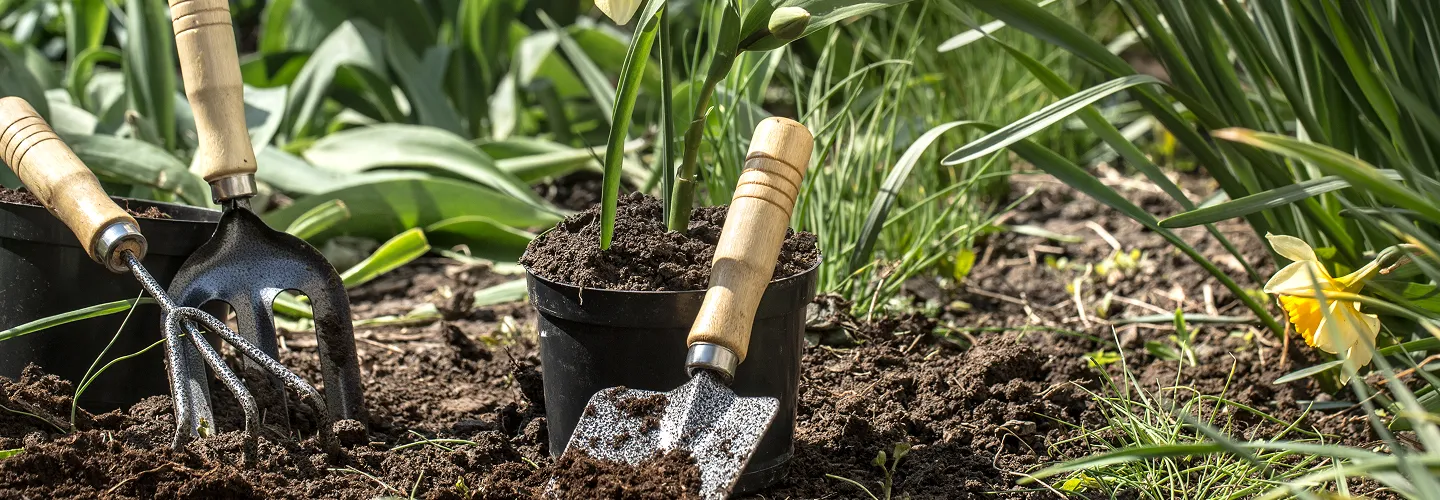
Choose our mulching services for healthier soil, improved moisture retention, and a beautifully finished look that protects your plants and enhances your property's curb appeal.
Get a Free QuoteOur Paradise Valley Landscaping & Yard Care Services
When to Schedule Mulching in Paradise Valley, Arizona – Seasonal Guide
In Paradise Valley, Arizona, the best time to schedule mulching is typically in late winter through early spring, just before the intense summer heat arrives. This timing allows mulch to insulate soil, retain moisture, and suppress weeds as plants begin their active growth phase. Given the region’s arid climate and proximity to landmarks like Camelback Mountain and the Mummy Mountain neighborhood, it’s important to consider local weather patterns—especially the risk of late frosts in February and the onset of monsoon rains in July.
Local soil types, such as the sandy loam found near Paradise Valley Country Club, benefit from mulching to prevent rapid moisture loss. Homeowners should also be mindful of drought conditions and municipal guidelines, which may affect when and how much mulch can be applied. For more information on local environmental regulations, visit the Town of Sudbury’s resource page.
Local Factors to Consider for Mulching in Paradise Valley
- Tree density and shade coverage in your yard
- Slope and terrain, especially in hillside neighborhoods
- Annual precipitation and irrigation schedules
- Soil type and drainage characteristics
- Local frost dates and risk of late cold snaps
- Municipal restrictions or HOA guidelines on landscaping
Benefits of Mulching in Paradise Valley
Enhanced Soil Moisture Retention
Weed Growth Suppression
Improved Curb Appeal
Temperature Regulation for Plant Roots
Reduced Soil Erosion
Nutrient-Rich Soil Enrichment
Paradise Valley Mulching Types

Organic Mulch
-
Inorganic Mulch
-
Wood Chip Mulch
-
Bark Mulch
-
Compost Mulch
-
Rubber Mulch
-
Gravel Mulch
Our Mulching Process
Site Evaluation
Soil Preparation
Mulch Selection
Mulch Application
Final Inspection
Why Choose Paradise Valley Landscape Services
-
Paradise Valley Homeowners Trust Us
-
Expert Lawn Maintenance
-
Reliable Irrigation Solutions
-
Comprehensive Yard Cleanups
-
Competitive Pricing
-
Professional Team
-
Satisfaction Guarantee
Coordinating Mulching Projects with Paradise Valley's Municipal Sustainability Programs
Paradise Valley's commitment to resource conservation directly intersects with mulching practices across residential and commercial properties. The Town's sustainability and water conservation initiatives encourage landscape strategies that reduce irrigation demand, and properly applied mulch is a recognized method for achieving measurable water savings in planted beds. Property owners and managers undertaking mulching projects on larger parcels or near drainage infrastructure should coordinate with the Town's Public Works Department, which oversees drainage systems and public infrastructure maintenance. When mulch is applied near washes, retention basins, or curb inlets, loose material must be managed to prevent displacement into stormwater conveyance systems. The Arizona Department of Water Resources provides landscaping guidance that supports mulch as a water-efficient ground treatment in low-desert environments.
- Verify current green waste and organic debris disposal procedures through the Town before hauling excess mulch material
- Coordinate with Public Works if mulching occurs adjacent to rights-of-way or drainage channels
- Review the Town's water conservation resources for guidance on irrigation reduction through mulch application
Town of Paradise Valley Public Works
6401 E Lincoln Dr, Paradise Valley, AZ 85253
Official Website: Public Works
Town of Paradise Valley Water Conservation
6401 E Lincoln Dr, Paradise Valley, AZ 85253
Official Website: Water Conservation
How Paradise Valley's Desert Heat and Alkaline Soils Affect Mulching
Paradise Valley sits within the Phoenix metro low-desert region, classified under USDA Hardiness Zone 10a, where summer surface temperatures on exposed soil can exceed 150°F. Mulch serves a critical role in moderating root-zone temperatures and reducing evaporative moisture loss from drip-irrigated beds. The predominant soils in the area tend toward alkaline sandy loam and decomposed granite, often with caliche layers at varying depths that restrict water infiltration. Organic mulches decompose rapidly under intense UV exposure and must be replenished more frequently than in temperate climates. Inorganic options such as decomposed granite or river rock are common but do not provide the same moisture-retention benefits as organic materials.
- Alkaline soil pH (commonly 7.5–8.5) can accelerate breakdown of certain organic mulches
- Caliche hardpan limits downward water movement, making surface mulch essential for lateral moisture retention
- Monsoon-season runoff can displace lightweight mulch from sloped beds into washes and storm drains
- Reflected heat from block walls and hardscape intensifies drying in adjacent planting beds
Navigating Paradise Valley's Stormwater and Land-Use Rules for Mulching
While mulching itself does not typically require a permit in Paradise Valley, property owners should be aware of stormwater compliance obligations that apply when landscape materials are placed near drainage corridors or within development review areas. The Town's Engineering Department reviews grading, drainage, and erosion-control elements of site work, and mulch placement on slopes or near washes may fall within that scope. Under Arizona's Phase II MS4 stormwater program, municipalities are required to prevent pollutants—including displaced landscape materials—from entering storm sewer systems. Organic mulch that washes into retention basins or flood-control channels can degrade water quality and obstruct flow. Properties adjacent to natural washes or the Indian Bend Wash corridor should take particular care to secure mulch with edging or containment.
- Confirm with the Engineering Department whether site-specific drainage review applies before large-scale mulch installation on graded slopes
- Ensure mulch does not migrate into curb inlets, retention basins, or wash channels during monsoon events
- The Clean Water Act establishes the federal framework for stormwater discharge protections that apply locally
Town of Paradise Valley Engineering
6401 E Lincoln Dr, Paradise Valley, AZ 85253
Official Website: Engineering
Timing and Methods for Mulching in Paradise Valley's Extreme Climate
Professional mulching in the low desert follows seasonal patterns driven by heat intensity and monsoon exposure. The optimal window for applying or replenishing organic mulch falls between late February and mid-April, after frost risk subsides but before peak summer temperatures accelerate decomposition. A second maintenance window occurs in October through November, when monsoon debris has been cleared and beds can be refreshed before winter planting. Mulch depth for organic materials such as shredded bark or wood chips generally ranges from two to four inches in planted beds, though depth should be kept away from direct contact with tree trunks and shrub crowns to prevent moisture-related decay.
- Use coarser-textured organic mulch in areas exposed to monsoon wind and sheet flow to reduce displacement
- Avoid piling mulch against plant stems or root crowns, which promotes fungal issues even in arid climates
- Inorganic mulch such as decomposed granite should be installed over weed barrier fabric and contained by edging
- Replenish organic mulch at least twice annually in full-sun exposures where UV breakdown is most aggressive
- Coordinate mulch application with drip irrigation schedules to maximize moisture retention at the root zone
Town of Paradise Valley Sustainability
6401 E Lincoln Dr, Paradise Valley, AZ 85253
Official Website: Sustainability
What Neighborhoods Do We Serve Throughout Paradise Valley, AZ?
- Clearwater Hills — Large estate lots with mature desert landscaping and significant slope variation require careful mulch containment to prevent material migration during monsoon runoff events.
- Paradise Hills — Properties here feature established irrigated beds surrounded by native desert, where organic mulch helps bridge the transition between cultivated plantings and natural ground cover.
- Camelback Country Club Estates — Expansive turf and garden areas on these parcels benefit from mulch rings around specimen trees and shrubs to reduce irrigation demand and moderate root-zone temperatures.
- Mummy Mountain Park — Hillside lots with rocky soils and limited flat planting space demand precise mulch placement and secure edging to prevent washout on graded slopes.
- Lincoln Hills — Mid-century residential parcels with mature citrus and ornamental trees often require annual mulch replenishment to maintain soil moisture in heavily shaded and sun-exposed beds alike.
- Smoke Tree Lane Area — Properties along wash-adjacent corridors must ensure mulch materials are contained and do not contribute organic debris to nearby drainage channels during storm events.