
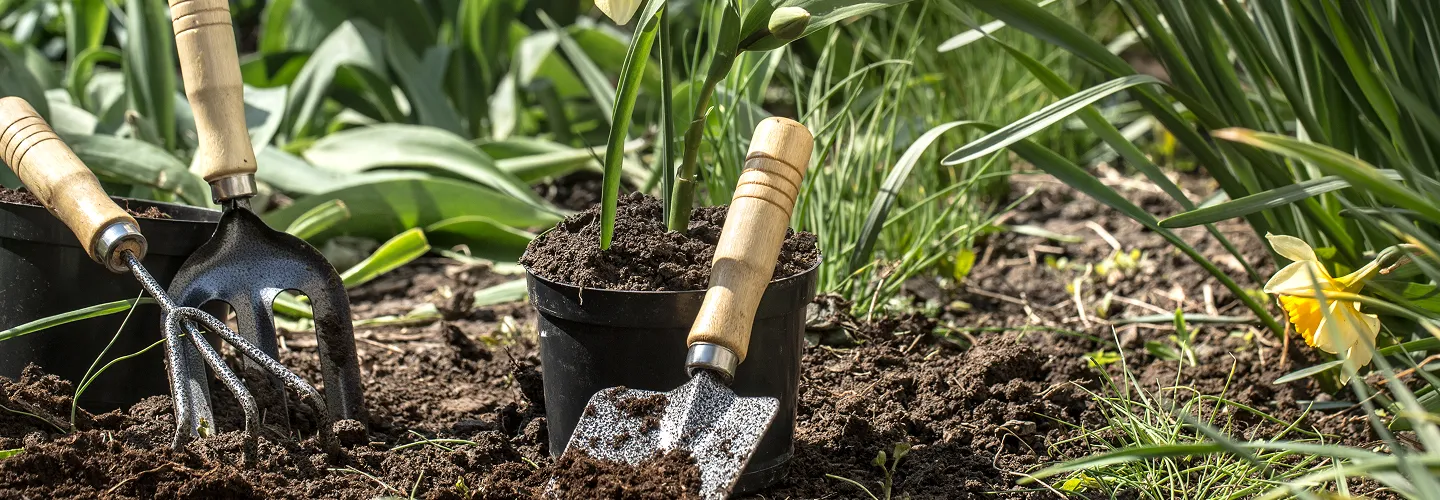
Paradise Valley Lawn Edging Services
Choose our Lawn Edging for professional craftsmanship, durable materials, and a flawless finish that elevates your curb appeal and keeps your landscape looking pristine year-round.
Get a Free QuoteOur Paradise Valley Landscaping & Yard Care Services
When to Schedule Lawn Edging in Paradise Valley, Arizona – Seasonal Guide
In Paradise Valley, Arizona, the best times to schedule lawn edging are typically in early spring and late fall. These periods align with the region’s mild temperatures and reduced risk of extreme weather, making it easier to achieve crisp, clean edges that last. The unique climate of Paradise Valley—characterized by hot, dry summers and mild winters—means that edging during the peak summer heat can stress your turf, while winter’s occasional frost may hinder optimal results. Neighborhoods near Camelback Mountain and the lush areas surrounding Mummy Mountain often experience microclimates, where shade coverage and soil moisture can vary significantly from one property to the next.
Local environmental factors such as the area’s alkaline soil, sporadic rainfall, and the prevalence of drought-tolerant landscaping all play a role in determining the ideal timing for lawn edging. Homeowners in communities like Clearwater Hills or near the Paradise Valley Country Club should also consider municipal watering restrictions and HOA guidelines. For more information on local regulations and best practices, visit the Town of Sudbury’s resource page.
Local Factors to Consider for Lawn Edging in Paradise Valley
- Tree density and shade coverage, especially in established neighborhoods
- Soil type and drainage, which can affect edge definition
- Seasonal precipitation patterns and drought risk
- Proximity to natural landmarks like Camelback Mountain, influencing microclimates
- Municipal restrictions on water usage and landscaping practices
- Terrain variations, such as slopes or rocky areas, common in Paradise Valley
Benefits of Lawn Edging in Paradise Valley
Enhanced Curb Appeal
Professional-Grade Materials
Precise Installation
Low Maintenance Solutions
Custom Design Options
Long-Lasting Durability
Paradise Valley Lawn Edging Types

Steel Lawn Edging
-
Brick Lawn Edging
-
Concrete Curbing
-
Plastic Landscape Edging
-
Natural Stone Edging
-
Wood Timber Edging
-
Paver Edging
Our Lawn Edging Process
Site Evaluation
Marking Edges
Cutting the Edge
Debris Removal
Final Inspection
Why Choose Paradise Valley Landscape Services
-
Paradise Valley Homeowners Trust Us
-
Expert Lawn Maintenance
-
Reliable Irrigation Solutions
-
Comprehensive Yard Cleanups
-
Competitive Pricing
-
Professional Team
-
Satisfaction Guarantee
Coordinating Lawn Edging Services with Paradise Valley's Public Works Department
Lawn edging in Paradise Valley requires attention to the town's infrastructure standards, particularly where turf borders meet public sidewalks, curb lines, and drainage inlets. The Town of Paradise Valley Public Works Department oversees street maintenance, drainage systems, and public infrastructure, making it the primary point of coordination when edging work occurs near rights-of-way or curb-adjacent turf areas. Residents and property managers should confirm current guidelines for debris management along public frontages before scheduling edging services. Clippings, soil fragments, and organic material generated during edging must not be swept or blown into street gutters, curb inlets, or storm drainage channels. Keeping edging debris contained on the property protects the town's stormwater conveyance system and aligns with Arizona DEQ stormwater guidance.
- Verify right-of-way boundaries before edging along public sidewalks or curb lines
- Contain all soil and turf debris on-site rather than directing it into street drainage
- Coordinate with Public Works if edging work affects drainage flow near inlets or channels
- Confirm current green waste handling procedures for collected edging debris
Town of Paradise Valley Public Works Department
6401 E Lincoln Dr, Paradise Valley, AZ 85253
Official Website: Public Works Department
How Paradise Valley's Desert Heat and Alkaline Soils Affect Lawn Edging
Paradise Valley sits within the Phoenix metro low desert, classified in USDA Hardiness Zone 10a, where summer temperatures routinely exceed 110°F and soils are predominantly alkaline sandy loam with subsurface caliche layers. These conditions directly influence lawn edging outcomes. Bermudagrass, the dominant warm-season turf in the area, produces aggressive stolons and rhizomes that rapidly encroach into hardscape joints, decomposed granite borders, and drip-irrigated planting beds. The intense reflected heat from block walls, concrete driveways, and stone patios accelerates turf desiccation along edges, causing browning and dieback if irrigation overspray does not reach border zones consistently.
- Alkaline soils and caliche near the surface can dull mechanical edging blades more quickly than loam-based soils
- Monsoon runoff between July and September can erode freshly cut turf edges, particularly on sloped lots near washes
- Reflected heat from adjacent hardscape intensifies moisture loss along turf perimeters, requiring precise irrigation head placement
- Salt accumulation from reclaimed irrigation water may weaken turf density at edges over time
The University of Arizona Cooperative Extension provides region-specific guidance on bermudagrass management that applies directly to edge maintenance in low-desert communities.
Paradise Valley's Stormwater and Property Code Requirements for Lawn Edging
While routine lawn edging does not typically trigger a building permit in Paradise Valley, property owners should be aware of several regulatory considerations that apply to edge maintenance near public infrastructure and drainage corridors. The town's Engineering Department reviews projects involving grading, drainage modification, and stormwater flow, and any edging work that alters grade or redirects surface water near a wash, retention basin, or flood-control channel may require coordination with that office.
- Edging debris, including soil and turf fragments, must not enter the municipal storm sewer system under Clean Water Act provisions and Arizona DEQ Phase II MS4 requirements
- Properties adjacent to natural washes or drainage easements should avoid mechanical edging that destabilizes bank vegetation or alters runoff paths
- The town's water conservation programs may affect irrigation scheduling that supports turf edge health; verify current restrictions through the Town of Paradise Valley Water Conservation page
Town of Paradise Valley Engineering Department
6401 E Lincoln Dr, Paradise Valley, AZ 85253
Official Website: Engineering Department
Property managers overseeing larger estates should also confirm with the Community Development Department whether site-specific landscape maintenance standards apply under any active development conditions or zoning stipulations.
Timing and Methods for Lawn Edging in Paradise Valley's Growing Seasons
Professional lawn edging in Paradise Valley follows the growth cycles of bermudagrass, which is actively growing from late April through September and enters dormancy by late November. Edging frequency should increase during peak summer growth when bermudagrass stolons aggressively extend into walkways, driveways, and planting beds. The Turfgrass Maintenance Guide for Low Elevation Arizona provides detailed seasonal care recommendations applicable to Paradise Valley properties.
- Spring (March–May): Begin regular edging as bermudagrass breaks dormancy; define clean lines before summer growth accelerates
- Summer (June–August): Edge every one to two weeks during peak growth; schedule work in early morning hours to reduce heat stress on operators and freshly cut turf margins
- Monsoon season (July–September): Inspect edges after heavy rainfall for erosion or sediment displacement; avoid edging on saturated soil to prevent turf tearing
- Fall–Winter (October–February): Reduce edging frequency as bermudagrass slows; properties overseeded with perennial ryegrass may require continued edge maintenance through winter
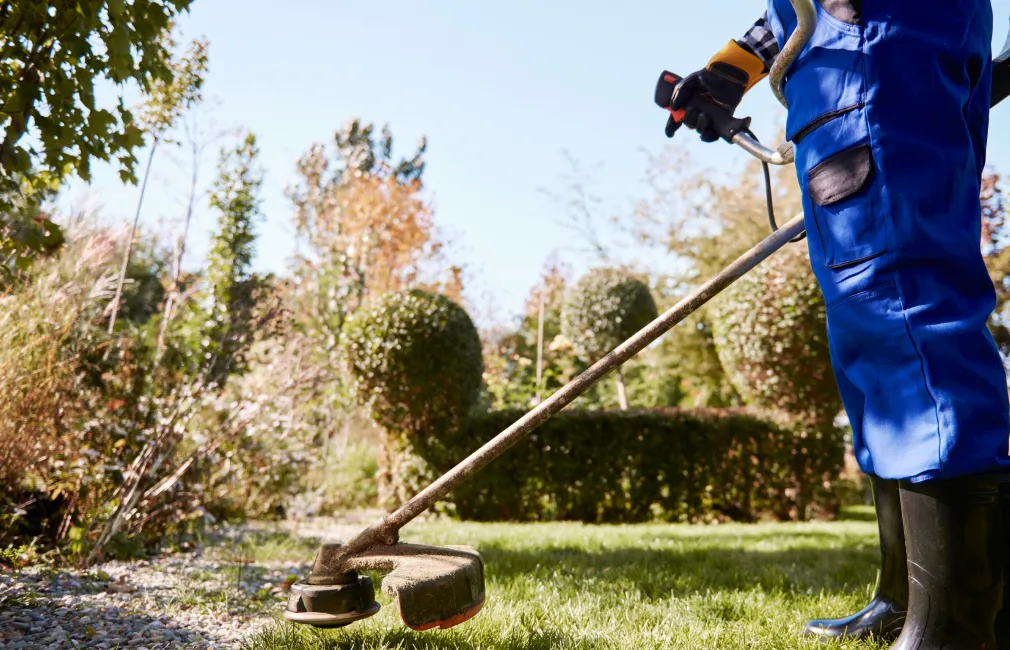
Mechanical rotary edgers and steel blade edgers are standard for defining turf borders along concrete and stone hardscape. String trimmers may be used for softer borders adjacent to decomposed granite or desert plantings, though care should be taken to avoid disturbing drip irrigation lines or emitters positioned near turf perimeters.
What Neighborhoods Do We Serve Throughout Paradise Valley, AZ?
- Clearwater Hills — Large estate lots with extensive irrigated turf areas and mature landscaping require frequent edging along winding driveways and decorative stone borders.
- Paradise Hills — Properties in this area often feature bermudagrass lawns bordered by natural desert, where aggressive stolon growth demands consistent edge definition between turf and native ground cover.
- Camelback Country Club Estates — Homes near the golf course corridor typically maintain manicured turf edges along sidewalks and shared frontages, with reflected heat from block walls intensifying edge desiccation.
- Mummy Mountain Park — Sloped lots on and around Mummy Mountain present unique edging challenges where grade changes and rocky subsurface conditions affect blade depth and turf stability.
- Indian Bend — Properties along the Indian Bend Wash corridor require careful edging practices to prevent turf debris and soil from migrating into drainage channels during monsoon events.
- Smoke Tree Lane Estates — Established residential lots with mature shade trees may experience uneven turf growth along edges due to variable light exposure and root competition.