
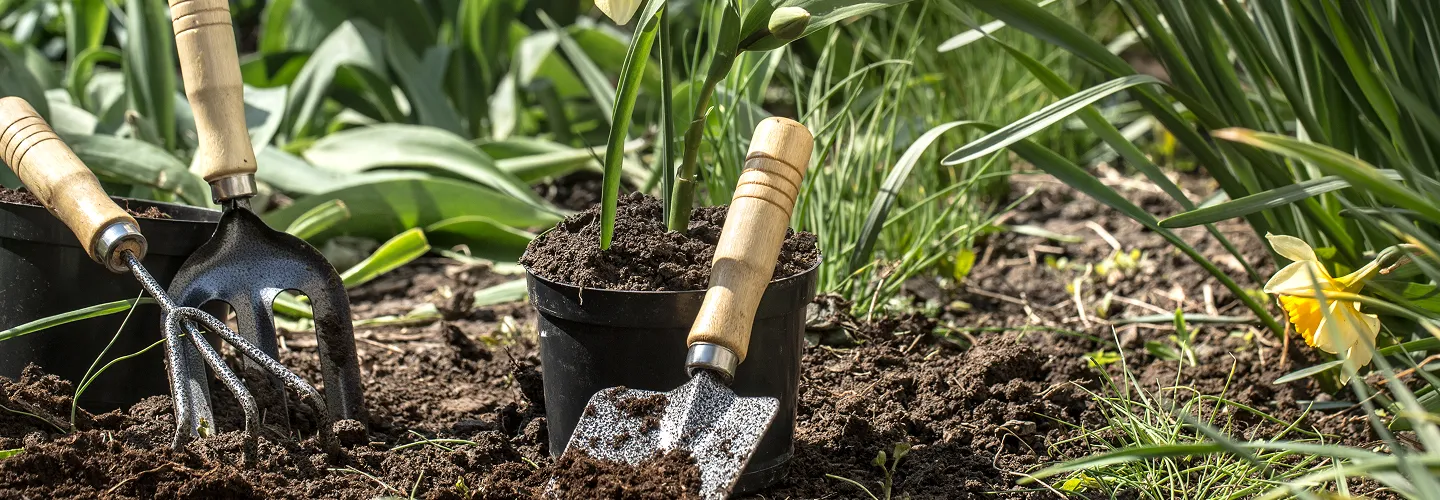
Paradise Valley Weeding Services
Choose our professional weeding services for a healthier, more beautiful landscape—our experienced team removes unwanted growth efficiently, ensuring your plants thrive and your yard stays immaculate all season long.
Get a Free QuoteOur Paradise Valley Landscaping & Yard Care Services
When to Schedule Weeding in Paradise Valley, Arizona – Seasonal Guide
In Paradise Valley, Arizona, the timing of weeding is crucial for maintaining healthy, attractive landscapes. The region’s unique Sonoran Desert climate—with its hot, dry summers and mild winters—means that weed growth patterns differ from those in other parts of the country. Optimal weeding typically occurs in early spring (February to April) and again in late fall (October to November), when soil moisture from winter rains or monsoon season encourages weed germination but before temperatures soar or drop below freezing.
Local factors such as the proximity to Camelback Mountain, the lushness of neighborhoods like Clearwater Hills, and the prevalence of xeriscaped yards all influence the best times for weeding. Paradise Valley’s sandy, well-draining soils, combined with sporadic rainfall and occasional frost, require a tailored approach. Homeowners should also consider municipal guidelines and resources, such as those provided by the Town of Sudbury, to stay informed about local landscaping recommendations.
Local Factors to Consider for Weeding in Paradise Valley
- Tree density and shade coverage, especially in areas like Mummy Mountain Park
- Soil type (sandy vs. clay) and drainage characteristics
- Annual precipitation and timing of monsoon rains
- Risk of drought and local water restrictions
- Frost dates and temperature fluctuations
- Terrain slope and accessibility
- Municipal landscaping regulations and HOA guidelines
Benefits of Weeding in Paradise Valley
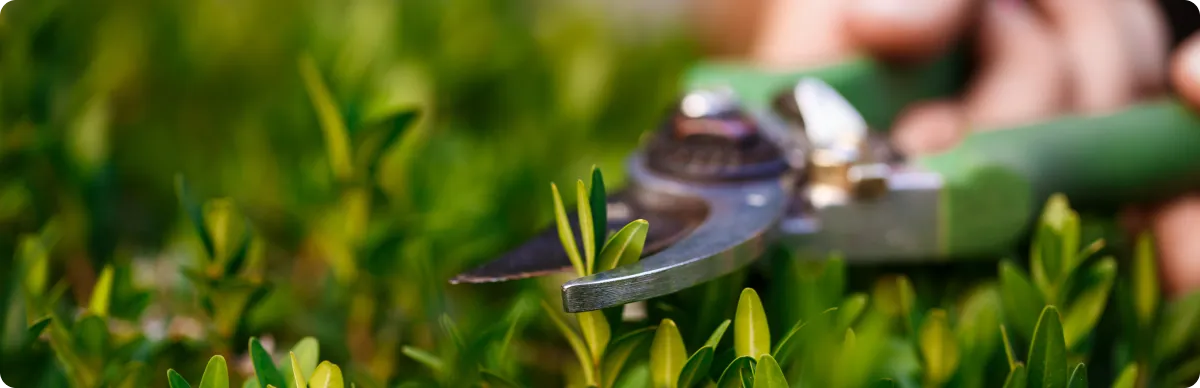
Expert Local Knowledge
Efficient Weed Removal
Eco-Friendly Practices
Customized Landscaping Solutions
Consistent Lawn Health
Reliable Scheduling
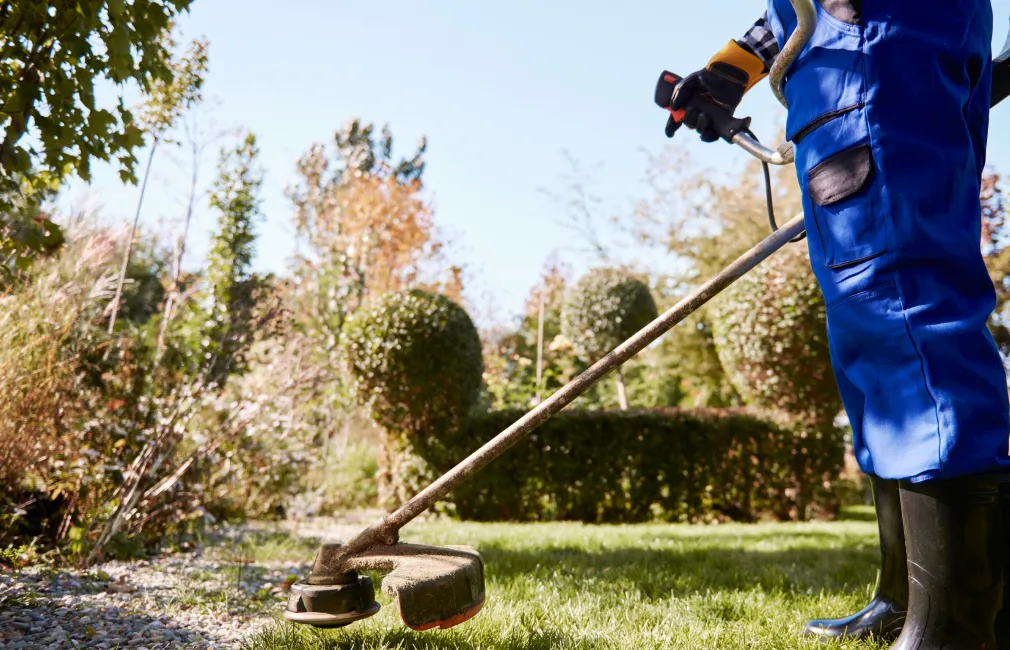
Paradise Valley Weeding Types

Hand Weeding
-
Mechanical Weeding
-
Chemical Weed Control
-
Mulching for Weed Suppression
-
Flame Weeding
-
Organic Weed Management
-
Pre-Emergent Weed Control
Our Weeding Process
Site Evaluation
Weed Identification
Targeted Removal
Soil Treatment
Final Inspection
Why Choose Paradise Valley Landscape Services
-
Paradise Valley Homeowners Trust Us
-
Expert Lawn Maintenance
-
Reliable Irrigation Solutions
-
Comprehensive Yard Cleanups
-
Competitive Pricing
-
Professional Team
-
Satisfaction Guarantee
Coordinating Weeding Services with Paradise Valley's Public Works and Sustainability Programs
Weeding on residential and commercial properties in Paradise Valley requires awareness of the town's infrastructure and environmental priorities. The Town of Paradise Valley Public Works Department oversees drainage systems, street infrastructure, and public right-of-way maintenance, making it a key point of coordination when weeding activities generate green waste or occur near curb inlets and drainage channels. Property owners and managers should ensure that pulled weeds, soil debris, and organic material are not deposited into streets, washes, or storm drain inlets during removal. The town's sustainability initiatives also encourage responsible landscape maintenance practices that reduce water waste and protect native desert habitat adjacent to developed parcels.
- Bag or contain all pulled weed material on-site before disposal to prevent debris from entering drainage infrastructure
- Verify current green waste disposal procedures through the Public Works Department before hauling organic material
- Coordinate weeding near public rights-of-way or wash corridors with town staff to avoid disturbance of protected drainage areas
- Review the town's water conservation guidance when adjusting irrigation after weeding, as exposed soil increases evaporation rates
Town of Paradise Valley Public Works Department
6401 E Lincoln Dr, Paradise Valley, AZ 85253
Official Website: Public Works Department
Town of Paradise Valley Sustainability
6401 E Lincoln Dr, Paradise Valley, AZ 85253
Official Website: Sustainability
How Paradise Valley's Desert Heat and Alkaline Soils Influence Weed Growth
Paradise Valley sits within the Phoenix metro low-desert region, classified under USDA Hardiness Zone 10a, where extreme summer temperatures regularly exceed 110°F and winter lows rarely drop below freezing. These conditions create two distinct weed flushes each year. Cool-season weeds such as London rocket, filaree, and annual bluegrass germinate after fall and winter rains, while warm-season species including spurge, puncturevine, and Palmer amaranth emerge aggressively following monsoon moisture from July through September. The town's soils are predominantly alkaline sandy loams and decomposed granite, often underlain by caliche hardpan that restricts root depth and concentrates moisture near the surface—conditions that favor shallow-rooted weed species.
- Alkaline soil pH (commonly 7.5–8.5) promotes certain weed species adapted to calcareous conditions
- Caliche layers trap irrigation water near the surface, creating ideal germination zones for opportunistic weeds
- Reflected heat from block walls, pavement, and decorative rock accelerates weed seed germination in landscape beds
- Drip irrigation emitter zones concentrate moisture, producing persistent weed pressure around the base of ornamental plantings
- Monsoon runoff redistributes weed seeds across properties, particularly along slopes and retention basin edges
Navigating Paradise Valley's Regulatory Framework for Weed Control Compliance
Property owners in Paradise Valley should be aware that the application of herbicides for weed control is regulated at the state level. Under Arizona Revised Statutes Title 3, commercial pesticide applicators must hold valid certification through the Arizona Department of Agriculture Office of Pest Management. This includes any contractor applying pre-emergent or post-emergent herbicides on residential or commercial properties. The Arizona Department of Agriculture also maintains a noxious weed list that identifies species requiring mandatory control or reporting, and property managers should verify whether any identified weeds fall under this designation.
Stormwater compliance is equally relevant. Under Arizona DEQ's stormwater program, herbicide drift, granular product runoff, and sediment displacement from weeding activities near washes or storm drain inlets may constitute a discharge concern. Properties adjacent to flood-control channels or retention basins should take particular care to prevent chemical or organic material from entering drainage infrastructure.
- Confirm that any hired weeding contractor holds current Arizona pesticide applicator certification when chemical control is involved
- Avoid applying granular or liquid herbicides within buffer zones near washes, retention basins, or curb inlets
- Dispose of noxious weed material separately from standard green waste to prevent seed dispersal
- Review the town's Community Development Department for any site-specific landscape maintenance requirements tied to development conditions
Town of Paradise Valley Community Development Department
6401 E Lincoln Dr, Paradise Valley, AZ 85253
Official Website: Community Development
Timing Weeding Around Paradise Valley's Monsoon Season and Desert Growth Cycles
Effective weeding in Paradise Valley depends on aligning removal and prevention efforts with the region's two primary germination windows. Pre-emergent herbicide barriers, when used, are typically applied in late September through early October for winter weed prevention and again in late February through early March for summer weed suppression. These windows should be confirmed against current conditions, as unseasonable rain events can shift germination timing. Hand weeding and mechanical removal are most effective when performed before weeds reach seed set, which prevents the next generation from establishing in landscape beds, decomposed granite surfaces, and turf edges.
- Remove cool-season weeds by late winter before seed heads mature and disperse across the property
- Address post-monsoon weed flushes promptly in August and September, when warm-season species grow rapidly in saturated soil
- Hand-pull weeds from drip-irrigated beds carefully to avoid disturbing emitter lines or displacing mulch cover
- Apply pre-emergent products only to dry surfaces with irrigation scheduled afterward to activate the barrier, per standard professional practice
- Avoid weeding or herbicide application during high-wind conditions to prevent drift toward neighboring properties, washes, or roadways
- Maintain a minimum 2–3 inch layer of mulch or decorative rock in planting beds to suppress weed germination between service intervals
The Arizona Department of Water Resources landscaping guidance encourages efficient irrigation practices that reduce excess moisture in non-planted areas, which directly limits weed establishment on gravel and hardscape surfaces.
What Neighborhoods Do We Serve Throughout Paradise Valley, AZ?
- Clearwater Hills — Large hillside lots with significant slope and decomposed granite surfaces create persistent weed pressure along drainage swales and retaining walls after monsoon rains
- Paradise Hills — Mature desert landscaping on expansive parcels requires regular weeding around established drip zones where ornamental plantings concentrate soil moisture
- Camelback Country Club Estates — Irrigated turf and ornamental beds adjacent to golf course corridors experience elevated weed intrusion from seed migration and supplemental irrigation overspray
- Lincoln Hills — Properties near Camelback Mountain preserve edges encounter native and invasive weed species that colonize disturbed transition zones between desert and maintained landscape
- Mummy Mountain Park — Elevated lots with rocky soils and limited topsoil depth see concentrated weed growth in imported planting beds and along driveway edges where runoff collects
- Casa Blanca Estates — Larger residential parcels with mixed desert and irrigated landscape zones require coordinated weeding schedules to manage both cool-season and warm-season weed cycles